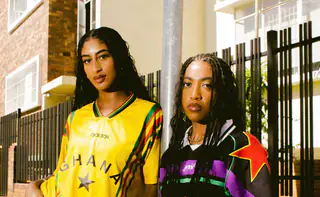
London based Ghanaian duo REMIXIA are stepping into March with a release that connects directly to the wider ideas shaping their work. Their new single “Floating,” out March 6 via connected, pushes their Afro-electronic approach into a focused club cut built on bass pressure, melodic movement, and vocal texture. It also arrives alongside the continued growth of SORO Sounds, the club night they run to connect diasporic sound with dancefloors in London and beyond. With past appearances at venues and events including Pacha, KOKO Electronic, and Paris Fashion Week, plus sets alongside artists such as Black Coffee, Rampa, Desiree, and Shimza, the duo have been building a clear position inside the current progressive club circuit. That wider context matters because this interview is not only about one track. It is about how REMIXIA read the room in 2026, how they see club culture shifting under the pressure of social media, VIP habits, and easier access to gear, and why certain spaces still hold onto the raw focus that made dance music matter in the first place. Their words tie neatly back to “Floating,” a record made for movement and release, and to the March 5 SORO Sounds party at Kave in London that marks the single’s arrival. Interview With REMIXIA What’s the biggest change you’ve seen in the club environment over the last ten years? Nightlife used to feel more music-led, you went because you loved the DJ or the sound. VIP culture and members’ clubs weren’t as dominant, and it was less about visibility and more about community. Social media shifted that, the experience became more curated, more performative, with how it looks online almost as important as how it feels in the room. At the same time, the lines have blurred. There used to be a divide between the house scene, the fashion crowd and members’ spaces, now it’s all merging, and house music has become culturally central everywhere. What’s interesting though is the counter-shift. More clubs are bringing back no-phone policies, surprise lineups, one-in-one-out queues and no guest lists, reclaiming that raw and real energy from ten years ago. Has the energy of the dancefloor shifted in a way that you feel when you play? In underground spaces, the kind where people come to really lose themselves and the sound system is incredible, you can feel the difference immediately. The room is darker, the phones are away and lighting technician is on point. In those environments we’re able to really experiment, stretch the set out and take people on a proper journey. You can sense when a crowd is locked in, when they’re not just dancing, but fully surrendered to the music. Those are the most fun rooms to play because the energy becomes this shared pulse between us and the dancefloor. In more VIP or table-driven clubs, it’s a different dynamic. It’s still fun, but you curate the journey differently. Attention spans are shorter, the energy is more visible and reactive. You’re reading body language constantly, who’s moving, who’s filming, where the momentum dips, and you adjust in real time. How has the access to DJing-equipment music, education changed who ends up behind the booth? Do you think the bar for technical skills has shifted as DJ tech has become more accessible? Equipment is far more accessible now, from entry-level decks like the XDJ range to rental companies and studios where you can book DJ rooms. Add to that endless tutorials on YouTube and TikTok, and learning the technical side is easier than ever. That’s made DJing far more democratic, which is a great thing. But it’s also shifted the landscape. Years ago, it felt like it was purely about skill because access was limited. Now, alongside technical ability, having the right network, the right team and being in the right rooms plays a huge role, sometimes even before skill fully develops. So the upside is that DJing is more accessible than ever. The downside is that it can feel oversaturated, and it’s harder to distinguish who’s truly put in the hours. Has your relationship to gear or tech evolved – are you using tools now you never thought you’d touch? Do you think easier access has created more creativity, or more noise to cut through? We remember the first time we saw the V10 mixer in a booth, it felt intimidating. So many features, so much going on. But once we spent time with it, it actually became our favourite mixer. It’s allowed us to do so much more than blend tracks, layering, shaping the energy, really sculpting the sound in a deeper way. In that sense, advances in tech have absolutely expanded creativity. The tools now let you be more expressive and experimental than ever. But it’s a fine balance. With so many AI-driven platforms and automated tools emerging, there’s also the risk of creating more noise than substance. Technology should enhance creativity, not replace authenticity. What’s something about old club culture you think got lost in the rush forward? Similar to our first answer, we
IndustryTechnoHouse
REMIXIA on VIP Culture, Dancefloor Focus, and Why “Floating” Arrives at the Right Time
·
Summary of the article
London based Ghanaian duo REMIXIA are stepping into March with a release that connects directly to the wider ideas shaping their work. Their new single “Floating,” out March 6 via connected, pushes their Afro-electronic approach into a focused club cut built on bass pressure, melodic movement, and vocal texture.
Read the full article for more details on EDM Dance Directory News.
Share this article:
London based Ghanaian duo REMIXIA are stepping into March with a release that connects directly to the wider ideas shaping their work. Their new single “Floatin...
Mentioned In This Article
Written and reviewed by our team. Technology may support research, but final content is human-authored.