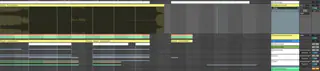
Reference tracks sit at the center of how I finish music consistently, especially when I want a track to translate outside my room without second-guessing every decision I make late in the process. I rely on them as a calibration tool, a reality check, and a way to move forward with confidence instead of hesitation, and if using reference tracks is good enough for Armin Van Buuren, it should be good enough for artists like you and me. When I talk about reference tracks, I mean finished records that already work in the environments I care about, whether that is clubs, headphones, cars, laptops, or streaming platforms. These tracks give me a fixed point of comparison when my ears start drifting after hours of looping the same section, which matters because isolation changes perception in ways most producers underestimate. At A GlanceUsing Reference Tracks for Style and Sound SelectionChoosing the Right Reference Tracks Before You Touch a FaderSetting Up Your Session So Reference Tracks Stay HonestLevel Matching First So Loudness Stops Lying to YouChecking Frequency Balance and Energy Across the SpectrumCritical Listening Prompts That Keep You ObjectiveUsing Reference Tracks to Shape Arrangement and Track LayoutA 15 Minute Reference Pass You Can Run AnytimeClosing ThoughtsFrequently Asked Questions About Using Reference Tracks in Music Production After enough repetition, balances that are off start to feel normal, energy differences flatten out, and decisions slow down because nothing feels clearly right or wrong anymore. Reference tracks pull you out of that bubble and reset your frame of hearing. What follows is how I actually use reference tracks during production, from sound selection and gain staging to frequency balance and arrangement layout, using methods that remain practical and repeatable across sessions rather than theoretical. While using reference tracks is certainly not the most difficult thing a new producer can start doing, it’s also something you should first know the basics to start implementing, in which case you should check out Izotope’s essential guide on mixing music, which can help get you up to speed fast. Using Reference Tracks for Style and Sound Selection Dapple by Jody Wisternoff and James Grant has been a reference track i come back to a lot Before I worry about mixing or automation on your plugins, I use reference tracks to lock in sound direction, because this step prevents me from designing sounds that later fight the track’s identity. I listen with specific questions in mind, asking how short or long the drum hits are, how dense the percussion layer feels, how much movement exists inside sustained elements, and how controlled the reverb tails sound across sections. This is where tools built for fast sound exploration help a lot. Bloom Mura Masa fits naturally into this stage because it allows me to sketch rhythm driven ideas quickly while staying focused on musical function rather than technical depth in your tracks. I use it to explore parts that occupy similar roles to what I hear in the reference, whether that means percussive phrases that fill midrange motion, tonal stabs that support groove without crowding the lead, or textural movement that stays contained and repeatable. Ableton’s new stem separation tool makes referencing down to the track level a powerful tool for learning and analyzing tracks I adjust macros until the sound behaves the way the reference behaves, then I stop. That stopping point matters because the goal here is alignment of function rather than refinement for its own sake. Once the arrangement feels stable, I can replace or refine sounds later if needed, but the foundation holds because it was guided early by reference listening. Choosing the Right Reference Tracks Before You Touch a Fader The track’s stems, once seperataed, helps visually map out where everything is happening. The first mistake I see producers make with reference tracks is choosing too many, or choosing tracks that do not actually answer the questions they are asking. More references do not lead to better clarity if each one pulls your ear in a different direction. I usually work with 2 or 3 reference tracks in total. One defines the stylistic lane I want to sit in, one helps me judge mix balance and overall energy, and a third can help with arrangement pacing if the structure of my track starts to feel uncertain. Tempo range matters. Drum programming density matters. Overall arrangement thickness matters. If those foundations are misaligned, the comparison stops being useful and starts creating confusion instead of clarity. Before I even listen critically, I write short notes for each reference so I know exactly why it is there. I might note low end weight, lead placement, or how restrained the high end feels, and those notes guide what I listen for instead of letting my attention wander. Dropping arrangement markers can also help you know when things need to come in and out I als
IndustryAdeArmin Van Buuren
All The Essentials On Using Reference Tracks in Music Production (…And A Couple Less Talked About Tricks)
Summary of the article
Reference tracks sit at the center of how I finish music consistently, especially when I want a track to translate outside my room without second-guessing every decision I make late in the process. I rely on them as a calibration tool, a reality check, and a way to move forward with confidence instead of hesitation, and if using reference tracks is good enough for Armin Van Buuren, it should be good enough for artists like you and me.
Read the full article for more details on EDM Dance Directory News.
Share this article:
Reference tracks sit at the center of how I finish music consistently, especially when I want a track to translate outside my room without second-guessing every...
Mentioned In This Article
Cities
Written and reviewed by our team. Technology may support research, but final content is human-authored.